The finish must suit the material, environment and assembly
CSMFG coordinates surface finishing with machining, casting, stamping, welding and assembly. We review the base material, cosmetic zones, coating thickness, masking, corrosion target and downstream fit before selecting a process. That reduces late surprises such as blocked threads, poor adhesion, color mismatch or parts that no longer assemble after coating.
Corrosion and weather resistance
Wear, hardness and friction control
Color, gloss and visual consistency
Electrical conductivity or insulation
Clean surfaces for bonding and assembly
Controlled buildup on critical dimensions
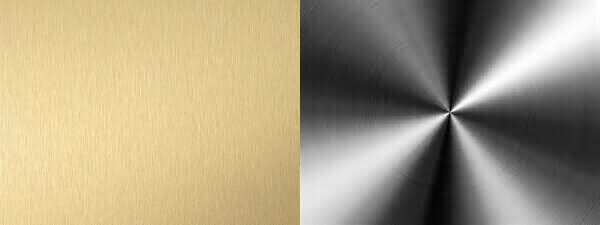
Production coating line with controlled part hanging and coverage accessGalvanized zinc protection for steel exposed to corrosive environmentsMechanical polishing from directional satin grain to reflective surfaces
Process selection and risk control
What can go wrong—and how it is checked
Surface defects usually begin before the finish is applied. Sharp edges, oil, weld scale, trapped solution, mixed alloys and unclear cosmetic standards can all cause failures. The control plan therefore starts with the drawing and part design, not only at final inspection.
Powder coating and wet paint
Best for: steel and aluminum housings, frames, brackets and welded assemblies requiring color and corrosion protection.
What can go wrong
Oil or oxide can cause peeling. Poor grounding and difficult geometry can leave thin edges or recesses. Excess film, outgassing, contamination or incorrect cure can create orange peel, pinholes, craters, gloss drift and brittle coating.
Precautions and checks
Define pretreatment, masking and rack points; control cleanliness, spray coverage, film build and oven profile. Check dry-film thickness, adhesion, color and gloss, cure, appearance and corrosion performance when specified.
Anodizing and hard anodizing
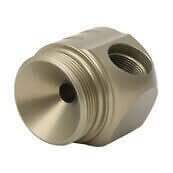
Best for: aluminum parts needing corrosion resistance, wear resistance, electrical insulation or a controlled decorative color.
What can go wrong
Alloy and temper variation can shift color. Burning, pitting, streaks, rack marks, poor sealing and coating buildup in precision features can affect appearance, corrosion performance and fit.
Precautions and checks
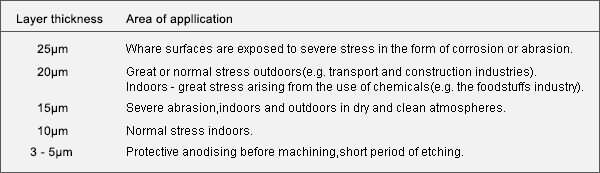
Keep visible parts in controlled alloy lots, agree a color range, mask threads and sealing faces, and account for dimensional change. Verify coating thickness, color against an approved master, seal quality, appearance and critical dimensions.
Electroplating
Best for: zinc, nickel, chrome, tin, copper and other metallic coatings used for corrosion protection, appearance, conductivity or wear behavior.
What can go wrong
Weak cleaning or activation can cause blistering and peeling. Complex geometry can produce thin recesses and heavy buildup on edges. Pitting, staining and hydrogen-embrittlement risk require special attention on high-strength steel.
Precautions and checks
Review material strength and the applicable specification before plating. Control bath chemistry, racking, current distribution and required pre- or post-treatments. Check thickness, adhesion, coverage, appearance, corrosion resistance and relief-bake records where required.
Hot-dip galvanizing
Best for: fabricated carbon-steel structures, weldments, frames and outdoor parts requiring durable zinc protection inside and outside.
What can go wrong
Closed cavities or poor drainage can trap air and zinc, leaving bare areas or heavy runs. Heat can distort thin or unbalanced fabrications. Threads, close fits and cosmetic faces can receive excessive buildup or handling marks.
Precautions and checks
Plan vent and drain holes, lifting orientation, material symmetry, thread allowance and post-galvanizing correction before fabrication. Inspect coverage, thickness, drainage areas, distortion, functional threads and assembly interfaces.
Abrasive blasting and surface preparation
Best for: removing scale and contamination, creating a controlled anchor profile and preparing steel or aluminum for a subsequent coating.
What can go wrong
Incorrect media or excessive pressure can embed contamination, distort thin parts, round edges or create too much profile. Residual dust and flash rust can undermine the next coating.
Precautions and checks
Select media for the substrate, protect machined and sealing areas, control pressure and dwell, and keep blasting dust contained. Check cleanliness, surface profile, residual media and the time between preparation and coating.
Polishing, brushing and deburring
Best for: stainless steel, brass, aluminum and decorative or hygienic parts requiring a specified grain, gloss or surface roughness.
What can go wrong
Inconsistent abrasive sequence can leave scratches, waviness and mixed grain direction. Excess pressure can round edges, overheat thin parts or change dimensions. Shared media can contaminate stainless surfaces.
Precautions and checks
Specify grit, Ra, gloss and grain direction; protect datums and sharp functional edges; use dedicated media where contamination matters. Inspect against a finish sample and verify roughness, dimensions and cleanliness.
Words such as “black,” “smooth” or “outdoor quality” are not enough for repeat production. A useful specification connects the visible result to measurable thickness, adhesion, roughness, color, gloss, corrosion exposure and functional dimensions.
Powder-coated fabricationsCheck full coverage at edges, corners, welds and recesses—not only the broad flat faces.
Anodized componentsConfirm alloy lot, color range, rack-mark location, coating thickness and critical fits.
Corrosion verificationUse the specified exposure method, duration, sample preparation and acceptance limits.
Integrated quality plan
Checks before, during and after finishing
The exact inspection plan depends on the drawing and finish standard. For critical projects, CSMFG can align finishing records with dimensional inspection and final assembly checks so the coating is evaluated as part of the finished component.
Before finishing
Confirm material and lot, weld cleanup, burr and edge condition, surface contamination, required roughness, rack points, masking, drain paths and coating allowance on fits.
During the process
Control cleaning and pretreatment, bath or spray parameters, cure profile, batch identification, coupons or reference panels, film build and any required post-treatment.
After finishing
Inspect appearance under agreed lighting, coating thickness, color and gloss, adhesion, roughness, seal or cure, corrosion test results, threads, dimensions, assembly fit and protective packing.
Other finishes available for project review
E-coating
Passivation
Black oxide
Phosphate conversion coating
Electropolishing
Chemical conversion coating
PTFE and dry-film lubricants
Laser marking
Send the drawing and finish requirement together
Include the base material, finish callout, controlled dimensions, color or appearance reference, annual volume and required validation tests. Our engineering team will review manufacturability and quotation details.
The last finishing of the products is very important. Durability against environmental influences, corrosion resistance, smooth surface, long lasting or just good looking: we know how to treat the surface of your products according to your requirements.
Improve appearance, adhesion or wettability, chemical resistance, hardness, etc.
Modify electrical conductivity
Remove burrs and other surface flaws
Control the surface friction
Restore original dimensions to salvage or repair an item
Effects of some surface treatments on the metal:
Electroplating:
Increasing life of metal and prevents corrosion.
Polishing:
Creating a smooth and shiny surface.
Anodizing:
Increase the thickness of the natural oxide layer on the surface.
Powder Coating:
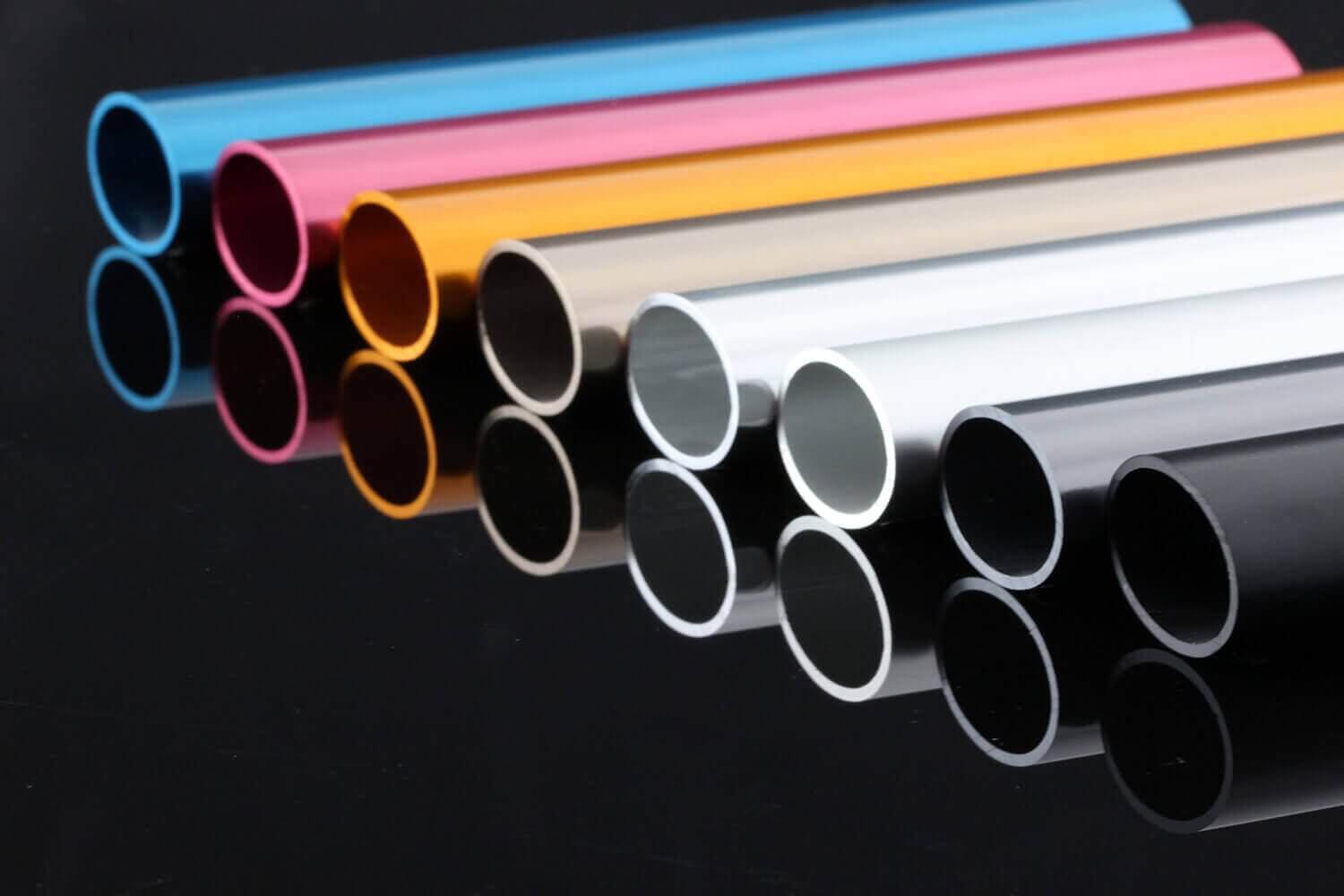
Making the surface into various colors.
Galvanizing:
Applying a protective zinc on surface to prevent rusting.
Sand Blasting:
Smoothing a rough surface, roughening a smooth surface,or removing surface contaminants.
Mill Finish:
Restoring to unfinished metal.
We use different kind of forming to achieve the most cost effective solution for our customer:
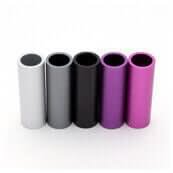
Our clients often require aluminum alloys anodized to increase corrosion resistance and to allow dying (coloring)
Painting or powder coating - gloss level from matt to high-gloss in all imaginable colors with modern equipment.
Polished surface – often required for brass and stainless steel surfaces. From mirror finishing to brushed surface.
Surface finishing can be included with machining, casting, stamping, welding, forming and assembly projects. The questions below help buyers define a repeatable finish rather than relying on a general color or appearance description.
Which details should be shown on the drawing?
State the finish standard, color and gloss, target or allowable coating thickness, masked areas, rack-mark limits, cosmetic zones, corrosion requirement and any dimensions that apply after finishing.
Why can anodized color vary between batches?
Alloy, temper, surface texture, pretreatment and coating thickness can all influence anodized appearance. Use controlled material lots and agree an acceptable color range or physical master sample before production.
How do you prevent coating from blocking threads or changing a fit?
Identify threads, bores, sealing faces and precision fits on the drawing. These areas can be masked, plugged or given dimensional allowance, then checked after finishing with the appropriate gauges or assembly test.
Which inspection records can be requested?
Depending on the project, records may include coating-thickness measurements, color and gloss comparison, adhesion results, surface roughness, cure or seal checks, corrosion-test reports, dimensional inspection and approved-sample comparison.
How should finished parts be packed?
Use clean separators, sleeves, trays or protective film where cosmetic faces can rub. Parts should be dry and free of loose media or process residue, with packing selected for the finish and shipping environment.


 Improve appearance, adhesion or wettability, chemical resistance, hardness, etc.