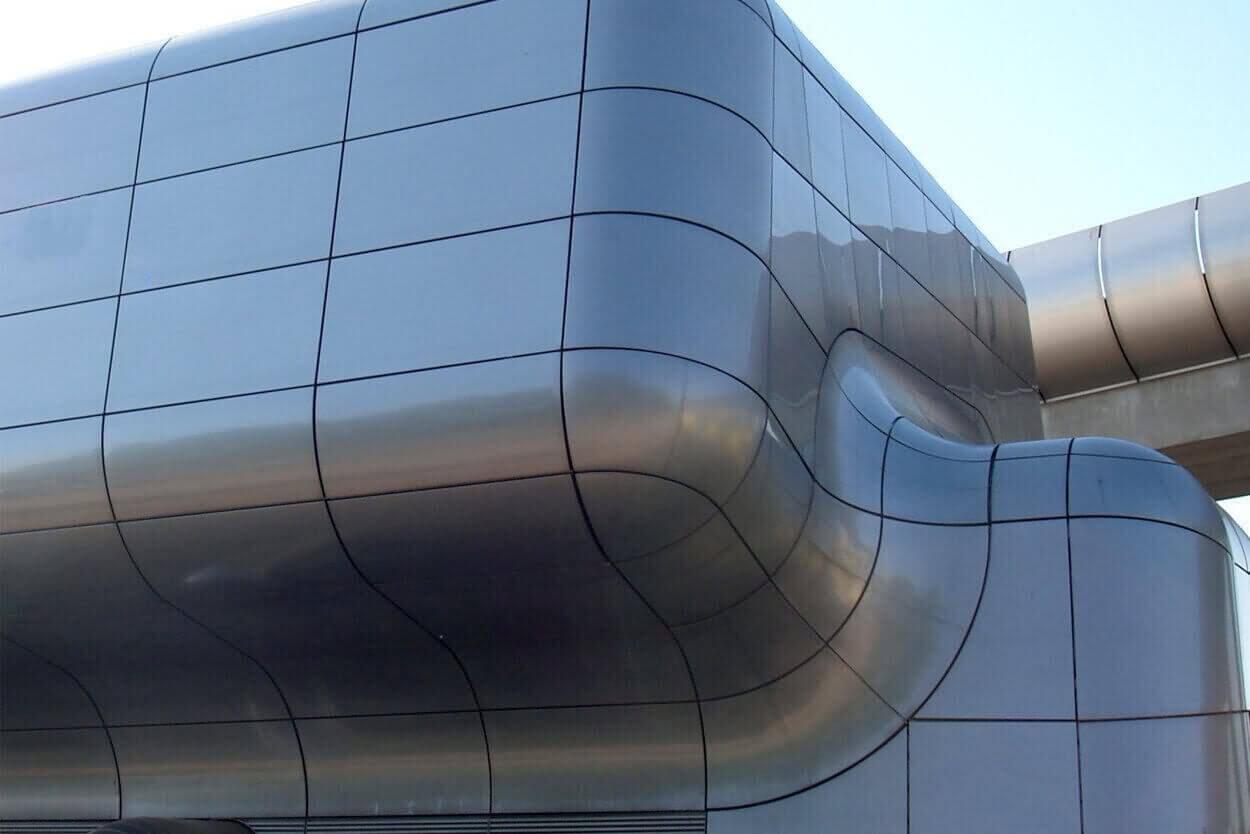
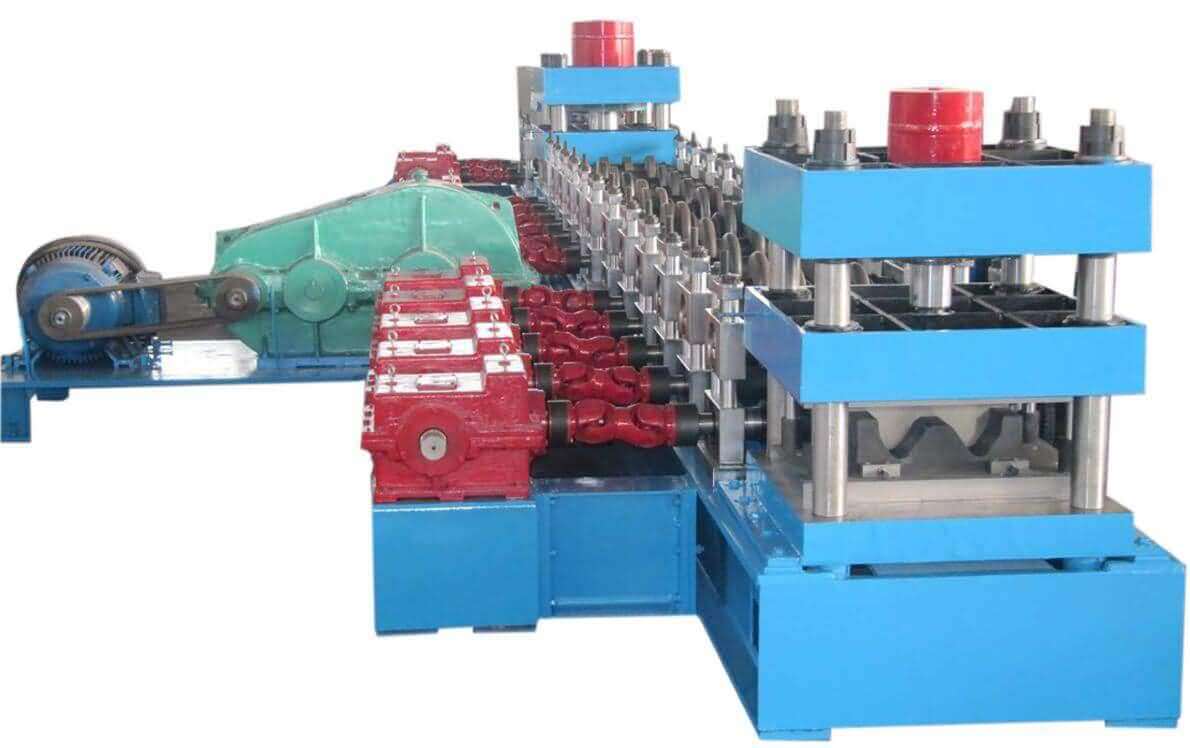
Metal forming, is the metalworking process of fashioning metal parts and objects through mechanical deformation; The work piece is reshaped without adding or removing material, and its mass remains unchanged. CSMFG is an American owned company with experience in metal forming since 2003. Our roll forming process begins by passing a long strip of coiled metal through a series of incremental bends until a final cross-section profile is achieved. Besides, our team of roll forming experts can apply further improvements.
Metal Forming and Roll Forming
CSMFG provides metal forming and roll forming for custom profiles, channels, structural parts, and formed components. The process reshapes metal without removing material and is useful for close-tolerance repeat production.
Roll forming
Roll forming is ideal for economically producing high volumes of close tolerance parts with a wide range of geometries. Our roll forming process makes metals into hardened states so that lower labor costs can be reached.
Advantages of roll forming
 Replace higher cost plastics and extruded parts
- Reduce waste, secondary operations and labor costs
- Compatible with both ferrous and non-ferrous metals
- Fabricate finished or painted parts
- Broad range of geometric opportunities
Roll forming capability
Roll forming machines are available that produce shapes of different sizes and material thicknesses using the same rolls. Variations in size are achieved by making the distances between the rolls variable by manual adjustment or computerized controls, allowing for rapid changeover. And, Tolerances can typically be held within ±0.015 inches (0.38 mm) for the width of the cross-sectional form, and ±0.060 inches (1.5 mm) for its depth.
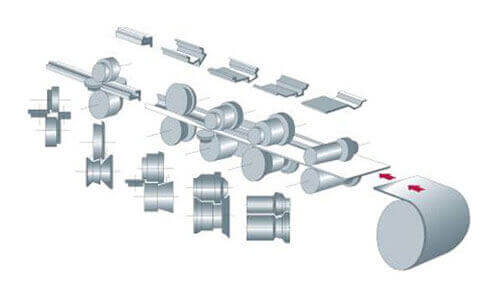
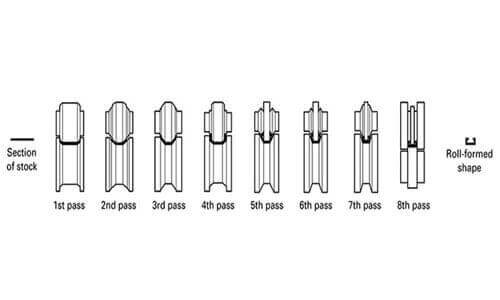
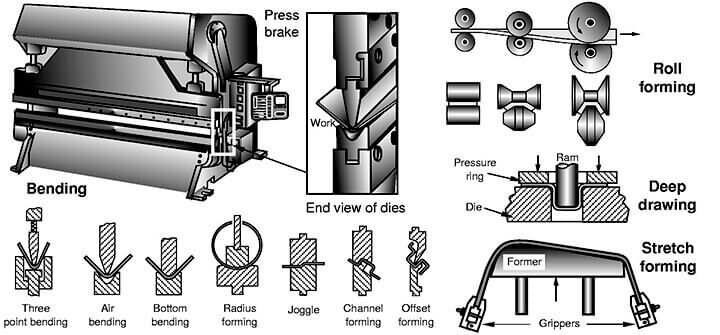
We use different kind of forming to achieve the most cost effective solution for our customer
Compressive forming
Extrusion - where the material is pushed through an orifice
Die forming - where the material is stamped by a press around or onto a die
Forging - where the material is shaped by localized compressive forces
Intending - where a tool is pressed into the work piece
Tensile forming
Stretching - where a tensile load is applied along the longitudinal axis of the work piece
Expanding - where the circumference of a hollow body is increased by tangential loading
Recessing - where depressions and holes are formed through tensile loading
Combined Tensile and Compressive forming
Pulling through a die, deep drawing, spinning, flange forming, upset bulging, roll forming

Distinct benefits of working with us:

Clear engineering communication in English and German, which is vital prerequisite for manufacturing projects

One-stop shopping for projects that require multiple manufacturing processes, from metal fabrication to plastic molding.

Strong process control, high quality standards, and a large and dedicated QC team

Best price in China through manufacturing excellence and economy of scale.
Manufacturing Buyer Guide
CSMFG provides metal forming and roll forming for custom profiles, channels, structural parts, and formed components. The process reshapes metal without removing material and is useful for close-tolerance repeat production.
Process Overview
- Profile and material review
- Roll pass or forming plan
- Tooling setup
- Sample approval
- Production forming and inspection
Proof Point
The page explains roll forming advantages such as reduced waste, lower labor, fewer secondary operations, and compatibility with many metals.
Manufacturing Specs for RFQ Review
For faster sourcing decisions, include the commercial context as well as the drawing package: target unit cost, expected order frequency, approval steps, packaging needs, destination market, and any standards the part must satisfy. This helps CSMFG compare tooling cost, process risk, inspection level, and production routing before quoting.
Buyers should also identify the part's end use, failure risks, cosmetic surfaces, and any regulatory or customer-specific requirements. Those details help align sampling, inspection reports, packing methods, and long-term production controls.
| Materials | Ferrous and nonferrous metals including steel, stainless steel, aluminum, galvanized sheet, and coil materials selected by application. |
|---|---|
| Tolerances | Tolerance depends on profile geometry, material thickness, springback, roll tooling, hole patterns, and secondary operations. |
| Batch sizes | Roll forming is most cost-effective for higher volumes, long profiles, and repeat sections that replace extrusions or fabricated parts. |
| Lead times | Timing depends on profile tooling, material sourcing, hole punching, cutting, finishing, and packaging requirements. |
| QC checks | Profile checks, dimensional inspection, hole pattern verification, surface review, and first article approval. |
| RFQ requirements | Send cross-section drawings, length, material, thickness, hole pattern, finish, annual volume, and packaging requirements. |
Related Manufacturing Processes
Buyer FAQ
What is roll forming?
Roll forming passes coiled metal through progressive bends until the final cross-section profile is achieved.
When is roll forming cost-effective?
It is best for repeat profiles and higher volumes where tooling reduces labor, waste, and secondary operations.
Can formed profiles include holes or cut lengths?
Yes. Hole patterns, cut-to-length requirements, finishing, and packaging can be included in the quote.