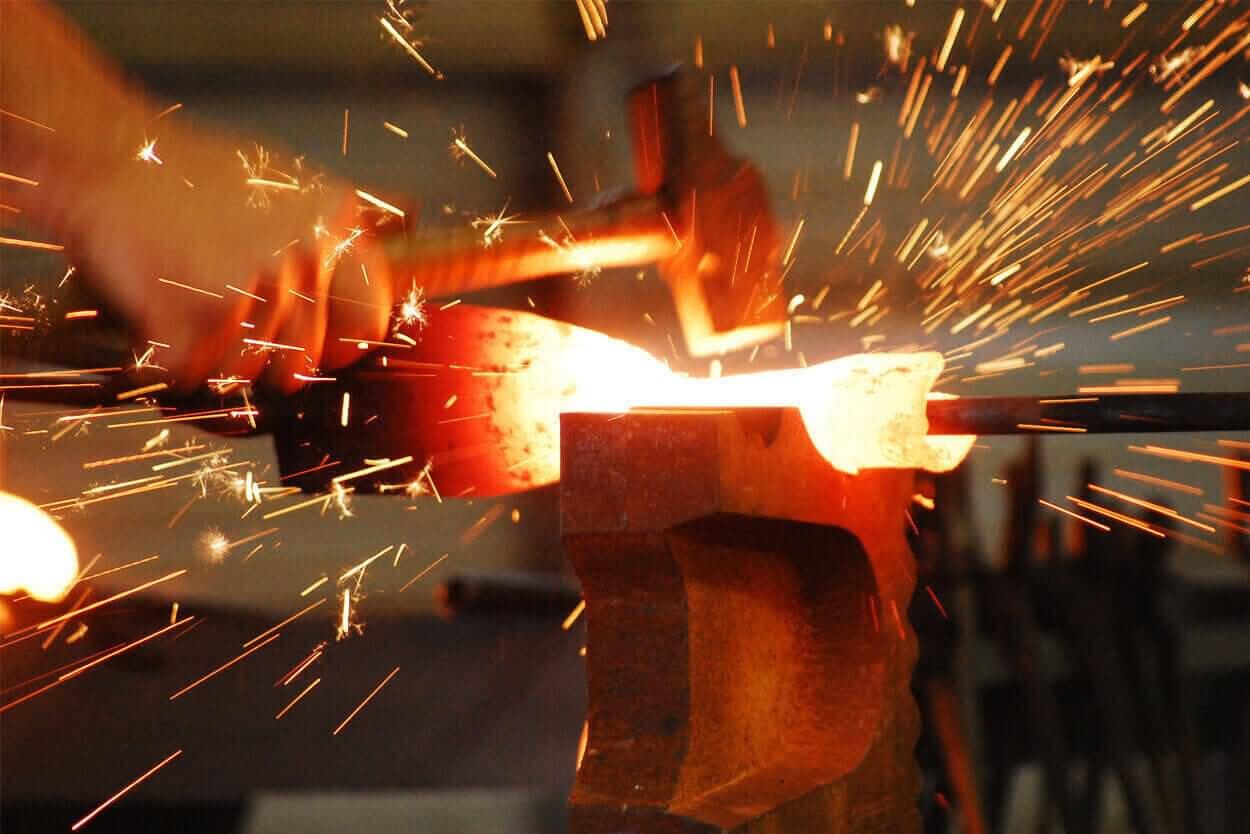
Is CSMFG a metal forging factory or forging manufacturer?
Yes. CSMFG supports OEM buyers with custom forged steel parts, forged blanks, CNC machining, heat treatment, surface finishing, inspection, and export packaging.
CSMFG is a metal forging factory and forging manufacturer for OEM buyers that need custom steel forging, cold forging, forged steel parts, CNC machining, heat treatment, finishing, inspection, and export-ready production support. Send drawings, material grade, quantity, tolerance, and application details for engineering review.
Besides supplying finished forging parts, CSMFG also supplies forged blanks and semi-finished forging parts to numerous machine shops in the USA and Europe as feed material for further precision machining.
Metal forging shapes a billet or blank with compressive force so the material flows into a die cavity or near-net-shape form. CSMFG supports custom metal forging services, custom steel forging, stainless steel forging, cold forged parts, and hot forged blanks for buyers that need strength, grain flow, material efficiency, and repeatable production.
A capable custom forging service should review material grade, forming temperature, tooling, grain flow, trimming, machining allowance, heat treatment, surface finish, inspection, and packaging. CSMFG coordinates forging with secondary operations so buyers can source finished components, not just raw forgings.
Forging is often the right route when a part needs higher impact strength than casting, less material waste than machining from solid bar, or a grain structure aligned with the load path. For prototypes, very low volume, or geometry that cannot justify dies, CSMFG can compare forging with CNC machining, casting, stamping, and fabrication.
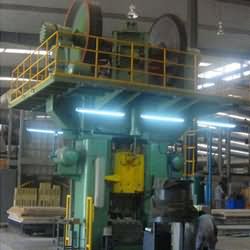
Cold forging forms metal at room temperature or near room temperature using high pressure from dies, presses, headers, or rolling operations. Hot forging forms heated metal for larger deformation and more complex shapes. Steel forging can use carbon steel, alloy steel, or stainless steel depending on load, wear, corrosion, heat treatment, machining, and cost requirements.
Cold forging can reduce scrap compared with machining from bar stock and can improve surface finish, fatigue strength, and repeatability. It is attractive for high-volume custom steel forging projects when the geometry is suitable and the order volume can support die tooling.
Cold forging is less flexible for very complex shapes, low-volume trial parts, and materials that require high forming force. CSMFG reviews part geometry, tolerance, surface finish, material grade, and annual demand before recommending cold forging, hot forging, machining, casting, or a hybrid process.
CSMFG helps OEM buyers source custom metal forging services, custom steel forging, forged steel parts, forged blanks, and finished metal assemblies. The focus is practical: review the drawing, choose the right forging route, then coordinate machining, heat treatment, finishing, inspection, and export packing.
Forging is strongest when a metal part needs reliable load-bearing performance, better material yield than machining from bar stock, or controlled grain flow for demanding service. Typical projects include forged brackets, shafts, couplings, rings, gears, flanges, bushings, pins, fasteners, valve components, and forged blanks for machining.
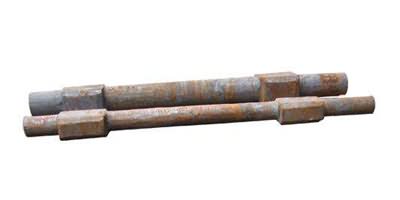
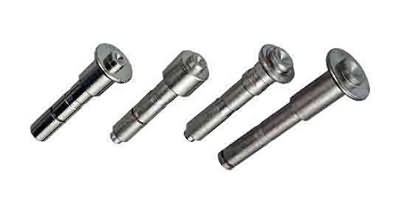
Cold forging is best when the part geometry, material, and volume allow high-pressure forming without heating the workpiece. Buyers usually compare cold forging with hot forging, casting, and machining when they need repeatable steel parts, copper parts, fasteners, sleeves, pins, bushings, or other near-net-shape components.
| Blank preparation | Wire, bar, slug, or cut blank is prepared to a controlled size. Lubrication and material condition matter because cold forging uses high forming force. |
|---|---|
| Die forming | A press, header, or forming machine pushes the metal into the die cavity. The process can include heading, extrusion, upsetting, coining, rolling, or drawing. |
| Material behavior | Cold forging can improve strength through strain hardening and can reduce scrap compared with fully machining a part from solid bar. |
| Secondary work | Cold forged parts may still need trimming, threading, CNC machining, heat treatment, plating, coating, washing, or final inspection. |
| Good applications | Fasteners, sleeves, pins, bushings, small shafts, gears, fittings, electrical parts, automotive parts, and high-volume precision components. |
Custom steel forging searches often come from buyers who need both a forging manufacturer and material guidance. CSMFG can compare carbon steel, alloy steel, stainless steel, aluminum, brass, copper alloys, and project-specific forged metals against load, wear, corrosion, temperature, machining, heat treatment, and cost requirements.
| Carbon steel forging | Common for brackets, levers, shafts, couplings, agricultural parts, construction hardware, and general industrial components where strength and cost control matter. |
|---|---|
| Alloy steel forging | Useful for higher fatigue strength, impact resistance, wear resistance, or heat treatment response in automotive, machinery, mining, and energy applications. |
| Stainless steel forging | Chosen when corrosion resistance, cleanability, or temperature resistance is important for marine, food equipment, medical, valve, pump, and outdoor applications. |
| Hot forged steel parts | Best for larger parts, complex shapes, heavier deformation, and materials that need more ductility during forming. |
| Cold forged steel parts | Best for repeatable high-volume components that need material efficiency, consistent dimensions, and good surface finish. |
Both processes use compressive force, but the right choice depends on temperature, material, geometry, volume, tolerance, tooling budget, and downstream machining. Use this table to frame the first engineering discussion with CSMFG.
| Temperature | Hot forging forms heated metal above or near recrystallization temperature. Cold forging forms metal at room temperature or near room temperature. |
|---|---|
| Part complexity | Hot forging handles larger deformation and more complex shapes. Cold forging is strongest for repeatable parts with suitable geometry. |
| Surface and tolerance | Cold forging can deliver better surface finish and dimensional consistency. Hot forging often leaves machining allowance for final tolerance control. |
| Material behavior | Hot forging improves formability. Cold forging increases strength through strain hardening but can require higher forming force. |
| Cost driver | Hot forging cost depends on heating, die work, trimming, and machining. Cold forging cost depends on die precision, equipment force, and production volume. |
Forging tolerance is the practical dimensional limit a forged part can hold before CNC machining, grinding, calibration, or other post processing is added. For OEM buyers, this matters because the drawing does not need every dimension to be machined to a tight tolerance. CSMFG reviews each custom forging drawing to separate critical-to-function dimensions from non-critical forged surfaces.
The practical tolerance number can be checked easily in the steel forging tolerance reference and the aluminum forging tolerance reference. These references help buyers compare expected forging precision for steel forged parts and aluminum forged parts before deciding which features need secondary machining.
| Design review | Confirm which dimensions must be controlled by the forging die, which dimensions need machining allowance, and which surfaces can remain as-forged. |
|---|---|
| Cost control | By knowing the forging tolerance limit early, the factory can lower production cost by avoiding unnecessary machining, grinding, polishing, inspection, or post processing. |
| Precision planning | Critical holes, threads, sealing faces, bearing seats, and assembly interfaces can be reserved for CNC machining while general profiles stay within normal forging tolerance. |
| Material comparison | Steel forging tolerance and aluminum forging tolerance should be checked separately because material behavior, part size, temperature, die wear, and forming method affect dimensional precision. |
To quote a custom forging project accurately, send more than the 2D drawing. Include the application, failure risks, target volume, material grade, heat treatment, coating, critical dimensions, annual demand, destination market, packaging, and required reports. These details help CSMFG decide whether hot forging, cold forging, machining from bar, casting, or a combined route is the best fit.
| Files to send | 2D drawings, 3D CAD files, photos or samples, specifications, and revision history. |
|---|---|
| Material data | Grade, standard, hardness, heat treatment, corrosion requirement, and substitute material rules. |
| Commercial data | Prototype quantity, annual quantity, target unit cost, order frequency, and expected launch date. |
| Quality data | Critical-to-function dimensions, inspection plan, tolerance stack-up, test reports, and any customer-specific requirements. |
| Post-processing | CNC machining, drilling, threading, grinding, polishing, coating, painting, plating, assembly, or packing requirements. |
Yes. CSMFG supports OEM buyers with custom forged steel parts, forged blanks, CNC machining, heat treatment, surface finishing, inspection, and export packaging.
Metal forging is a manufacturing process that shapes metal with compressive force. The process can improve strength, fatigue resistance, and grain flow compared with many cast or fully machined alternatives.
Cold forging shapes a blank at room temperature or near room temperature with high compressive force. It is often used for high-volume precision parts that need good surface finish, material efficiency, and repeatable dimensions.
Steel forging forms carbon steel, alloy steel, or stainless steel under pressure to improve grain flow, strength, fatigue resistance, and load-bearing reliability.
CSMFG provides custom metal forging services for OEM drawings, including custom steel forging, hot forged blanks, cold forged parts, CNC machining, heat treatment, surface finishing, inspection, and export packaging.
Choose hot forging for larger parts, complex shapes, heavier deformation, or materials that need more ductility during forming. Choose cold forging for suitable high-volume parts that need precision, good finish, and material efficiency.
Yes. CSMFG reviews drawings, material grade, tolerances, annual volume, heat treatment, machining, coating, and inspection requirements to support custom forged steel parts and OEM metal forging services.
Knowing the practical forging tolerance limit helps the factory set realistic dimensions, machining allowance, and inspection requirements. This can lower production cost by avoiding unnecessary CNC machining, grinding, or post processing.
Send 2D drawings, 3D CAD files, material grade, heat treatment, critical tolerances, annual quantity, target application, surface finish, inspection requirements, packaging, and delivery expectations.
Send your drawing package, material grade, annual quantity, target application, and required finishing. CSMFG will review whether custom steel forging, cold forging, hot forging, machining, casting, or a combined route is the best fit.